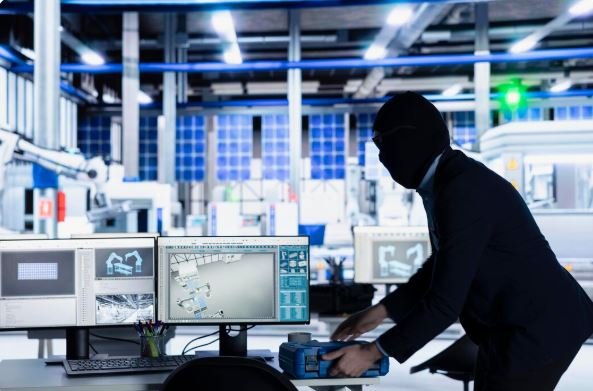
OT Security Components: How They Protect Industrial Systems
Understanding Industrial Systems and Their Importance
Industrial systems, including Supervisory Control and Data Acquisition (SCADA) and various Industrial Control Systems (ICS), are vital to sectors such as energy, manufacturing, water treatment, and transportation. These systems control physical processes and ensure the smooth operation of critical infrastructure. Any disruption can lead to significant financial losses, threats to public safety, and even national security risks. Industrial systems often operate around the clock, and even a brief outage can have far-reaching consequences.
Protecting these systems is not just a technical issue; it is a matter of societal safety. From keeping the power grid stable to ensuring safe drinking water, the reliability of these systems directly affects millions of people. As such, they are prime targets for those seeking to cause disruption or gain access to sensitive operations.
The Growing Threat of Industrial Systems
Over the past decade, cyber attacks targeting industrial systems have increased in frequency and sophistication. Attackers may seek to disrupt operations, steal sensitive data, or cause physical damage. Protecting these environments requires a deep understanding of operational technology (OT) and its security needs, including what is OT security and its components, which together form the foundation for safeguarding critical infrastructure.
OT security refers to the practices, technologies, and processes used to protect industrial control systems, such as SCADA, PLC, and distributed control systems, from cyber threats. Its key components include network segmentation to isolate critical systems, access control to ensure only authorized users can interact with devices, continuous monitoring to detect anomalies, and patch management to address vulnerabilities. These elements work together to create a layered defense strategy, ensuring that even if one control fails, others remain in place to protect critical assets.
Unlike traditional IT systems, OT environments often rely on specialized devices and protocols, making standard security solutions less effective. The stakes are higher, as attacks can result in real-world harm, such as shutting down factories or compromising public utilities.
Key Vulnerabilities in Industrial Environments
Many industrial systems were designed decades ago with little attention to cybersecurity. Older equipment often lacks basic protections such as encryption or strong authentication. Networks are sometimes separated from IT systems, but increasing connectivity introduces new risks. According to the Cybersecurity and Infrastructure Security Agency (CISA), attackers often exploit weaknesses such as outdated software, misconfigured devices, and unsecured remote access.
For more information on these vulnerabilities, visit the official CISA website. As organizations embrace digital transformation, more devices are connected to the internet, increasing the attack surface. Wireless sensors, remote monitoring, and mobile device access all create new entry points for cybercriminals. Even trusted vendors or contractors can unintentionally introduce vulnerabilities if proper security practices are not followed.
Types of Targeting Industrial Systems
Industrial systems face a range of cyber threats. Some common attack types include ransomware, which locks operators out of essential systems until payment is made, and malware designed to disrupt or damage physical operations. Phishing attacks target employees to gain network access, while advanced persistent threats (APTs) may go undetected for months. Nation-state actors may also target critical infrastructure for espionage or sabotage purposes.
The U.S. Department of Energy provides resources on how these attacks impact the energy sector. Supply chain attacks are also on the rise, where hackers compromise a trusted third party to gain access to the target’s environment. In some cases, attackers have manipulated control systems to cause physical equipment failures, resulting in costly repairs or safety incidents.
Best Practices for Securing Industrial Systems
Securing industrial systems requires a layered approach. Start with regular risk assessments to identify vulnerabilities. Segment networks so that OT and IT systems are separated, reducing the chance of an attack spreading. Apply security patches and updates as soon as possible to close known gaps. Strong authentication methods, such as multi-factor authentication, are essential for restricting access. Employee training is also crucial, as human error remains a leading cause of breaches. For industry guidance, the NIST offers a framework.
In addition, organizations should conduct regular penetration testing to simulate real-world attacks and uncover hidden weaknesses. Physical security measures, such as locked server rooms and surveillance cameras, are also important. Limiting USB and removable media use can prevent malware from entering the network.
Developing an Industrial Cybersecurity Policy
A strong cybersecurity policy sets the foundation for protecting industrial systems. This policy should outline roles and responsibilities, establish security objectives, and define acceptable use of technology. It should also address how to handle third-party access, remote connections, and bring-your-own-device (BYOD) scenarios. Policies must be reviewed and updated regularly to address evolving threats and technological changes.
Management support is key; without buy-in from leadership, security measures may not be properly enforced. Employees at all levels should be aware of the policy and understand why each rule is necessary. Clear communication and regular training can help build a culture of security awareness. Having a policy isn’t enough; it must be put into practice every day.
Monitoring and Incident Response
Continuous monitoring helps detect unusual activity before it leads to major incidents. Install intrusion detection systems (IDS) and intrusion prevention systems (IPS) to identify and block threats in real time. Develop a clear incident response plan tailored to industrial environments, ensuring all staff know their roles in the event of an attack.
Regularly test and update this plan, learning from past incidents and new threats. According to the SANS Institute, effective incident response can mean the difference between a minor disruption and a major crisis. Incident response plans should include steps for isolating affected systems, notifying authorities, and restoring operations as quickly as possible. Regular drills and tabletop exercises help prepare teams for real emergencies.
The Role of Collaboration and Information Sharing
No single organization can tackle industrial cybersecurity alone. Sharing threat intelligence with industry peers, government agencies, and trusted partners helps everyone stay informed about new risks and tactics. Participating in Information Sharing and Analysis Centers (ISACs) can provide valuable insights and early warnings of emerging threats.
Some governments and industry groups offer free or low-cost resources to help organizations improve their defenses. Collaboration also extends to working with law enforcement and incident response teams during a cyber event. By pooling information and resources, organizations can respond more effectively and recover faster from attacks. This sense of community is vital in the face of sophisticated and well-funded adversaries.
Balancing Security and Operational Needs
While strong security is essential, it must not disrupt essential industrial processes. Security controls should be designed to minimize downtime and maintain safety. Collaboration between IT and OT teams ensures that security measures are practical and support business goals. Regular reviews help balance protection with operational efficiency. For instance, applying a critical security patch may require careful scheduling to avoid impacting production lines.
Communication between departments is key, as is involving both technical and operational staff in decision-making. Sometimes, a compromise is needed to keep systems secure without sacrificing productivity. The right balance allows organizations to stay resilient in the face of cyber threats while maintaining reliable operations.
Emerging Technologies and Future Trends
The industrial landscape is constantly changing, with new technologies like Industrial Internet of Things (IIoT), artificial intelligence, and machine learning being adopted to improve efficiency. While these innovations offer many benefits, they also create new security challenges. IIoT devices often have limited built-in security and can be difficult to update.
Artificial intelligence can help detect threats faster, but it can also be used by attackers to find weaknesses. As 5G networks become more common, the increased connectivity will make it even more important to secure every device and network segment. Organizations must stay informed about the latest trends and adapt their security strategies accordingly. Investing in research and workforce development will be key to keeping pace with emerging threats.
Conclusion
Cyber attacks on industrial systems are a serious and growing concern. By understanding the unique challenges of these environments and adopting best practices, organizations can better protect their critical infrastructure. Ongoing vigilance, collaboration, and a strong security culture are key to safeguarding industrial systems from evolving threats. The future will bring new risks, but with careful planning and a proactive approach, organizations can continue to operate safely and securely.
FAQ
What is the difference between IT and OT security?
IT security focuses on protecting data and information systems, while OT security is concerned with the safety and reliability of physical processes and equipment in industrial environments.
Why are industrial systems targeted by cyber attackers?
Industrial systems control critical infrastructure, making them attractive targets for attackers seeking to cause disruption, steal data, or gain political or financial advantage.
How often should industrial systems be assessed for vulnerabilities?
Regular assessments are recommended, at least annually or whenever significant changes are made to the network or equipment.
