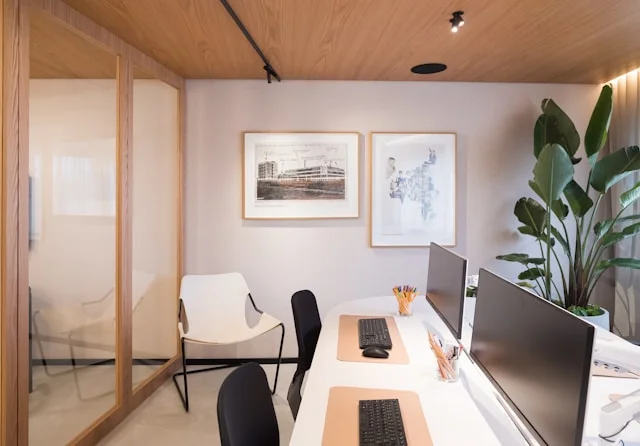
HOw Innovative Interior Design Solutions Can Elevate Your Space
Your home or office is more than just a place—it’s a reflection of your personality, style, and lifestyle. A thoughtfully designed space can significantly influence your mood, productivity, and overall sense of well-being. In today’s world, innovation in interior design goes beyond selecting colors and furniture; it focuses on creating functional, aesthetically pleasing, and personalized environments. By embracing modern strategies and creative approaches, you can transform ordinary spaces into extraordinary ones that inspire and comfort. Here’s how innovative design techniques can elevate your space, making it both practical and visually captivating.
1. Maximizing Space with Smart Layouts
One of the most impactful ways to enhance any interior is by optimizing the layout. Innovative interior design solutions prioritize functionality without compromising style. Clever furniture arrangements, multifunctional pieces, and open-concept planning can make even small rooms feel spacious and inviting.
For example, incorporating modular furniture allows you to adapt the room for different purposes—transforming a living room into a workspace or a guest bedroom effortlessly. Floating shelves and built-in storage solutions not only save floor space but also create a clean, uncluttered look. By thinking strategically about traffic flow and the placement of key elements, a well-planned layout can elevate the overall ambiance of your home.
2. Blending Aesthetics with Functionality
A luxurious and visually appealing space doesn’t have to be impractical. Modern interior design emphasizes the harmony between beauty and usability. Every element—from furniture and lighting to wall finishes and décor—should serve a purpose while contributing to the overall aesthetic.
For instance, consider incorporating storage ottomans, sleek cabinets, or foldable desks. These items not only enhance the functionality of your space but also maintain a stylish, cohesive look. Materials like glass, metal, and high-quality wood can be both durable and elegant, adding a sense of sophistication. When each design element has both a functional and decorative role, the space feels thoughtfully curated and effortlessly luxurious.
3. Innovative Lighting Techniques
Lighting is one of the most powerful tools in interior design. Beyond its practical purpose, it sets the tone, enhances moods, and highlights key design features. Modern solutions incorporate layers of lighting, combining ambient, task, and accent lights to create depth and dimension.
For example, recessed lighting can provide subtle illumination, while pendant lamps or chandeliers serve as statement pieces. LED strips under cabinets, behind mirrors, or along shelves add a contemporary flair. Additionally, smart lighting systems allow you to adjust brightness, color temperature, and mood according to your needs. By carefully planning your lighting strategy, you can create a space that feels both dynamic and welcoming.
4. Creative Use of Color and Patterns
Color is an essential aspect of design that can dramatically change the perception of a space. Innovative interior design solutions often involve creative color combinations, accent walls, and unique patterns to elevate interiors.
Neutral shades like beige, gray, and white can provide a sophisticated backdrop, while pops of bold colors like teal, mustard, or emerald can add energy and personality. Patterns in wallpapers, rugs, or textiles introduce texture and visual interest, preventing spaces from feeling monotonous. Additionally, using complementary or analogous color schemes ensures harmony while making the space visually dynamic. Thoughtful color and pattern choices can transform a plain room into a statement of style and individuality.
5. Incorporating Technology for Modern Living
Technology is no longer limited to gadgets—it’s an integral part of contemporary interior design. Smart home solutions, climate control systems, automated lighting, and entertainment setups can enhance both comfort and convenience.
For instance, motorized blinds, voice-controlled assistants, or smart thermostats allow you to tailor your environment effortlessly. Technology can also optimize storage, improve energy efficiency, and increase security, all while maintaining a clean and modern aesthetic. Integrating technology seamlessly into your design ensures that your space is both forward-thinking and user-friendly, demonstrating how innovation can elevate daily living experiences.
6. Focus on Sustainable and Eco-Friendly Designs
Sustainability is increasingly at the forefront of interior design. Using eco-friendly materials, energy-efficient appliances, and sustainable furniture options not only benefits the environment but also enhances the quality of your space.
Reclaimed wood, recycled metals, and natural fabrics are excellent choices for creating a stylish, environmentally responsible home. Additionally, maximizing natural light and ventilation reduces energy consumption and improves overall comfort. Green design doesn’t just look good—it feels good, fostering a sense of harmony between your living space and the natural world. By embracing sustainability, you contribute to a healthier environment while enjoying a sophisticated, modern interior.
7. Personalization Through Art and Accessories
A space becomes truly elevated when it reflects the personality and tastes of its inhabitants. Custom artwork, carefully chosen décor, and meaningful accessories add character and depth. Instead of overcrowding rooms with unnecessary items, focus on curated pieces that tell a story.
For example, a gallery wall of family photos, travel mementos, or original paintings can serve as both a conversation starter and a personal touch. Unique vases, sculptures, or designer furniture add luxury and exclusivity. Personalization ensures that the space is not just functional and beautiful but also deeply meaningful, creating an environment where you feel at home.
8. Enhancing Comfort with Textures and Materials
Texture plays a critical role in elevating a space. Layering different materials—such as velvet cushions, wool rugs, silk drapes, and wooden accents—adds richness and tactile comfort. A variety of textures creates visual depth and invites interaction, making spaces feel warm and welcoming.
Soft furnishings, plush rugs, and textured wallpapers not only add luxury but also contribute to acoustic comfort and thermal insulation. When designing interiors, don’t just think visually; consider how each element feels to the touch and how it contributes to overall comfort. Thoughtful use of textures transforms a standard room into a sensory experience.
9. Strategic Use of Mirrors and Reflections
Mirrors are more than decorative elements—they are powerful design tools. Strategically placed mirrors can make small rooms appear larger, enhance natural light, and add elegance.
A large floor mirror can open up a living area, while mirrored furniture or reflective surfaces introduce a sense of depth and luxury. Even metallic accents, like brass or gold fixtures, can reflect light subtly and contribute to a glamorous feel. Incorporating reflections thoughtfully ensures your space feels airy, spacious, and visually captivating.
10. Bringing it All Together
Combining these innovative strategies creates a holistic approach to design that transforms ordinary spaces into elevated, luxurious environments. A well-executed interior considers every detail—layout, lighting, colors, textures, technology, and personal touches—working in harmony to enhance both style and functionality.
Collaborating with professionals who specialize in creative design can further amplify the impact. Experts can guide you in selecting the right materials, furniture, and layouts that align with your vision, ensuring a cohesive and polished result. With careful planning and thoughtful execution, innovative interior design can truly elevate your space, turning it into a sanctuary that reflects your taste, lifestyle, and aspirations.
Final Thoughts
Elevating your space is about more than aesthetics; it’s about creating an environment that is functional, comfortable, and inspiring. From smart layouts and layered textures to sustainable practices and integrated technology, every choice matters. By embracing innovative approaches, you can transform any room into a sophisticated and inviting space.
Investing in your home’s design not only enhances its visual appeal but also improves your quality of life. A space that is beautiful, practical, and reflective of your personality fosters well-being, productivity, and happiness. Innovative interior design empowers you to achieve a home that feels luxurious, personalized, and timeless—proving that thoughtful design truly has the power to elevate every aspect of your living experience.
